Food stamps, officially known as the Supplemental Nutrition Assistance Program (SNAP), help people with low incomes buy food. But when you hear the words “food stamps,” you might wonder, “How much money is that actually worth?” This essay will help you understand the value of food stamps and how they work in the real world. We’ll break down what SNAP provides and how it helps families across the United States. Let’s dive into the details and see what SNAP is all about.
What is the Cash Value of Food Stamps?
Many people wonder, “How much are food stamps worth in cash?” Technically, food stamps don’t have a direct cash value. SNAP benefits are loaded onto an Electronic Benefit Transfer (EBT) card. This card works like a debit card, but it can only be used to buy eligible food items at authorized stores. You can’t go to an ATM and withdraw cash from your SNAP benefits.
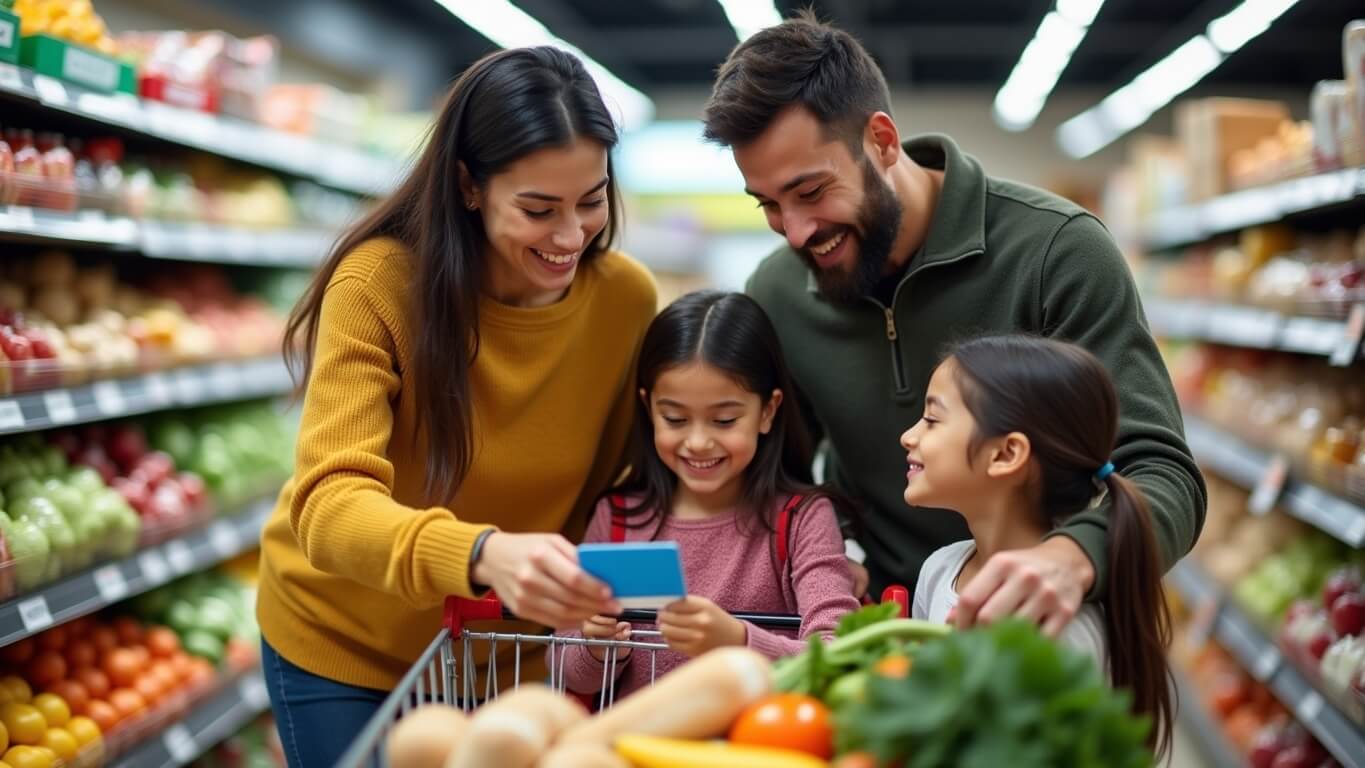
Who Gets to Use SNAP?
To be eligible for SNAP, a person or family needs to meet certain requirements. These requirements are designed to ensure that help goes to those who need it the most. Each state has its own specific rules, but generally, eligibility depends on things like income and resources.
- Income: This is the amount of money a household earns. There are limits based on household size.
- Resources: This refers to things like bank accounts and savings. There are also limits on how much a household can have in resources.
- Household Size: The bigger your family, the more help you may be eligible for.
If you meet the eligibility requirements, you’ll receive SNAP benefits, which are loaded onto an EBT card. This card can then be used to purchase groceries at participating stores. The amount of benefits depends on a few things, like your income and household size.
The application process for SNAP usually involves filling out an application, providing proof of income and resources, and sometimes an interview. It can seem complicated, but there are resources available to help you understand the process. There are people and organizations in your community that can help. Don’t be afraid to ask for help!
What Can You Buy with SNAP?
So, what can you actually buy with your SNAP benefits? SNAP is designed to help people buy food, and there are specific items that are considered eligible. Here’s a simple breakdown:
- Fruits and Vegetables: Fresh, frozen, and canned are all good to go.
- Meat, Poultry, and Fish: You can buy raw or prepared meats, poultry, and fish.
- Dairy Products: Milk, cheese, yogurt – you name it!
- Breads and Cereals: Bread, pasta, rice, and cereal are all eligible foods.
- Seeds and Plants: You can buy seeds and plants to grow food for your household.
SNAP benefits cannot be used to purchase non-food items. These include things like alcohol, tobacco products, pet food, and household supplies. Also, you can’t use SNAP to buy hot foods that are ready to eat, such as those from a restaurant, unless the store is an authorized SNAP retailer.
It’s essential to know what you can and cannot buy so you can budget your benefits effectively. Knowing what’s allowed will make sure your SNAP benefits stretch to help cover your family’s food needs.
How Much Do SNAP Benefits Actually Provide?
The amount of SNAP benefits a household receives varies. The amount isn’t a fixed number for everyone, but rather depends on a bunch of factors. Different states have different policies, which makes the specifics vary from state to state. However, the federal government provides guidelines for SNAP, setting minimum and maximum benefit amounts.
| Household Size | Maximum Monthly Benefit (approximate) |
|---|---|
| 1 person | $291 |
| 2 people | $535 |
| 3 people | $766 |
| 4 people | $973 |
| Each Additional Person | +$243 |
Income is a primary factor that impacts the amount of SNAP benefits. The lower your income, the more benefits you may receive, up to the maximum amount allowed by law. The government tries to give enough benefits to help families meet their food needs.
For example, a single person with a very low income might get the maximum benefit. On the other hand, a larger family with a slightly higher income may get a lower amount. The USDA, which administers SNAP, adjusts these amounts yearly to account for the rising costs of food.
Where Can You Use Your EBT Card?
Your EBT card can be used at a lot of places, but not everywhere. SNAP benefits are accepted at authorized retailers. Most major grocery stores, supermarkets, and farmers’ markets accept EBT cards. Also, many smaller stores and convenience stores participate in SNAP. Look for signs that say “EBT Accepted.”
- Grocery Stores: These are the most common places to use your EBT card.
- Supermarkets: Similar to grocery stores, you can buy a wide range of foods.
- Farmers’ Markets: Fresh produce is often available at farmers’ markets.
- Certain Retailers: Some convenience stores and smaller shops also accept EBT.
When shopping, you’ll swipe your EBT card at checkout, just like a debit card. You’ll enter your PIN to authorize the purchase. Your benefits will be deducted from your EBT account for eligible food items. It is also worth noting that you can use your SNAP benefits online at some stores. Be sure to check with the retailers where you shop to see if they offer this service.
If you’re unsure where to use your EBT card, you can check the USDA’s website or ask at your local SNAP office. You can also look for the “EBT Accepted” signs. Knowing where you can shop will help you get the most out of your SNAP benefits.
Can You Get Cash Back with Your EBT Card?
No, generally, you cannot get cash back directly from your SNAP benefits. The EBT card is designed only for purchasing eligible food items. You can’t go to a store and ask for cash when using your SNAP benefits.
- Direct Cash Purchases: SNAP funds cannot be used to purchase non-food items or to get cash back.
- ATM Withdrawals: EBT cards aren’t linked to bank accounts where you can withdraw cash.
- Fraud Prevention: These restrictions help ensure that benefits are used as intended – to provide food for families.
However, there might be some exceptions or programs related to the EBT card that allow limited cash assistance. In some areas, people who receive SNAP may also qualify for other government assistance programs. These programs may provide cash benefits, but they are separate from SNAP. Some states or local programs may offer cash benefits for other purposes.
It is essential to use your SNAP benefits responsibly and only for purchasing eligible food items. You can help your family by learning about ways to stretch your food budget by using SNAP. Understanding these rules will help you get the most out of your SNAP benefits and use them effectively.
Is SNAP Really Worth It?
SNAP plays a vital role in helping millions of families across the United States afford food. SNAP is designed to provide assistance, helping those with low incomes get the food they need. For many people, it can be a lifeline that helps them get through tough times. It is not about handouts; it is a crucial support system.
- Reduces Food Insecurity: SNAP helps prevent people from going hungry.
- Supports Families: It provides families with access to nutritious food.
- Boosts the Economy: SNAP spending helps support local businesses.
- Improves Health: Access to food can improve both physical and mental health.
SNAP helps make sure people have enough to eat, especially during emergencies or when facing job loss or other financial hardships. Many people say SNAP has helped them make ends meet during difficult periods in their lives. The program is designed to be a helping hand, not a permanent solution.
SNAP is an essential part of the social safety net. It gives families the chance to focus on other important things. It provides a financial boost that helps families get through tough times. When people can access food, they can focus on work, school, and building a better future for themselves and their families.
In conclusion, SNAP is more than just a program; it’s a tool that allows families to buy food. While it doesn’t provide cash directly, it equips people with the means to purchase essential food items. The value of SNAP is in the access it provides to nutritious meals, supporting individuals and families across the country. Knowing the rules, such as what you can buy and where you can shop, ensures that your benefits are used effectively. Ultimately, SNAP’s real value lies in helping people meet their basic needs and fostering a healthier future.